
AI & Robotics
Hands-on learning to build tomorrow’s innovators through coding, fabrication, and robotics.
Our Courses
Hands-on AI & robotics training blending software and hardware skills.
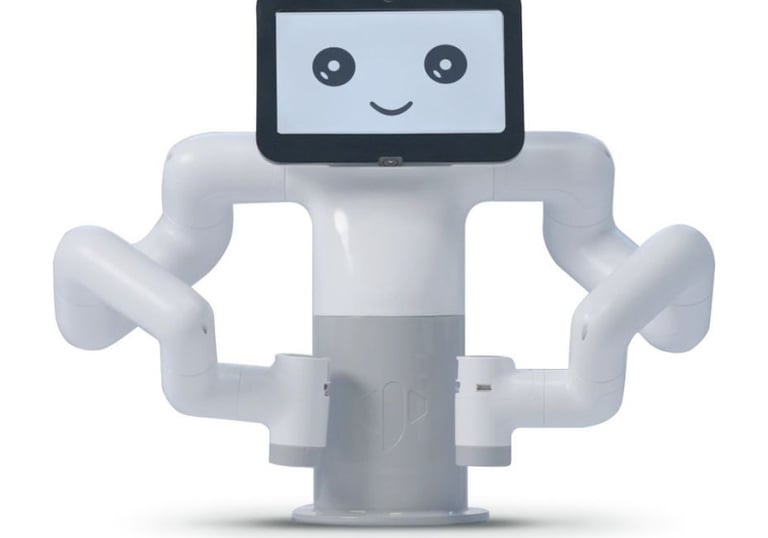
Basic Robotics
Designed for beginners to master the physical and electrical body of robotics.
Advance Robotics
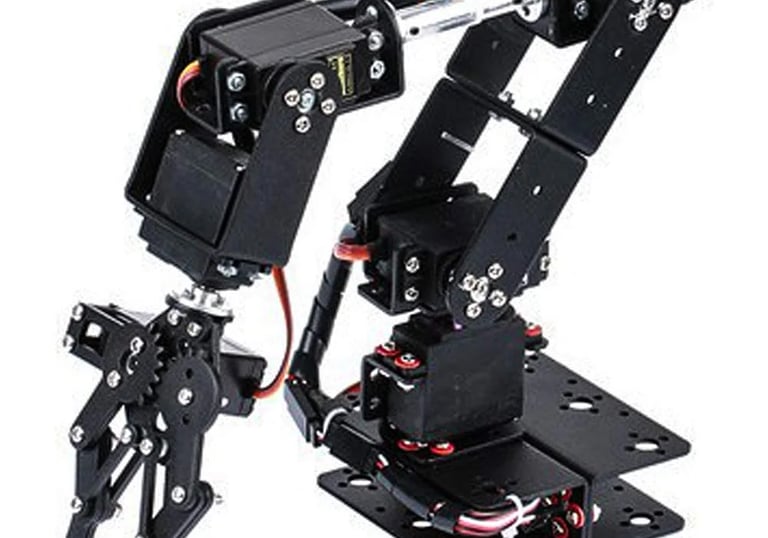
Designed for those ready to master the brain and software of those industry-standard roots.
Gain hands-on skills in mechanical design and prototype creation.
Gen AI


AI For Managers


Junior AI
Build robotic arms and vehicles using CAD, 3D printing, and laser cutting.
Gain hands-on skills in mechanical design and prototype creation.
Junior Robotics


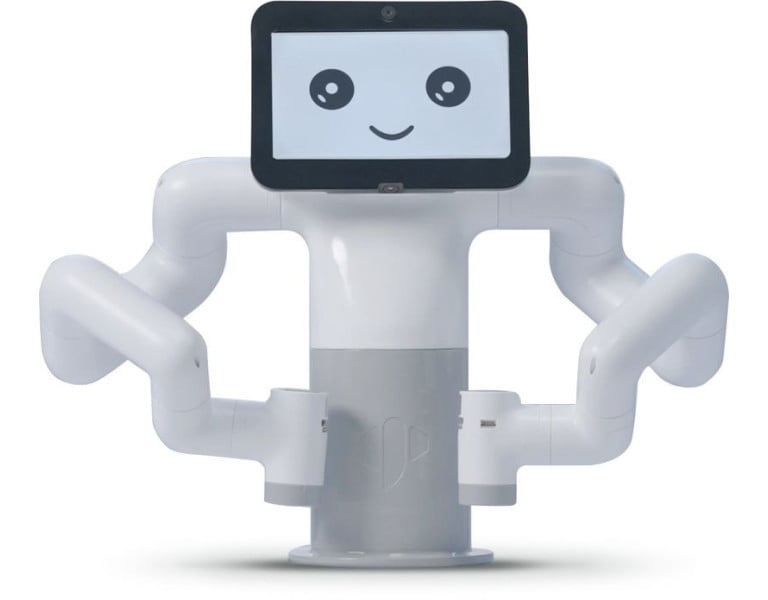
Basic Robotic Course
Curriculum Breakdown
• Mechanical & Industrial Design: Master CAD and SolidWorks to design physical robotic parts and chassis.
• Electronics & Circuitry: Learn the "nervous system" of robots through Ohm’s Law and practical power systems.
• Microcontrollers & Automation: Program Arduino using C/C++ to build smart home projects and automation systems.
• Hardware Communication: Understand how components talk using protocols like SPI, UART, and I2C.
• Subsystem Fundamentals: Explore the history of robotics and the core mechanics of actuators and sensors.
• IoT Integration: Connect your robots to the cloud using advanced Smart Home IoT frameworks.
Advanced Robotic Course
Curriculum Breakdown
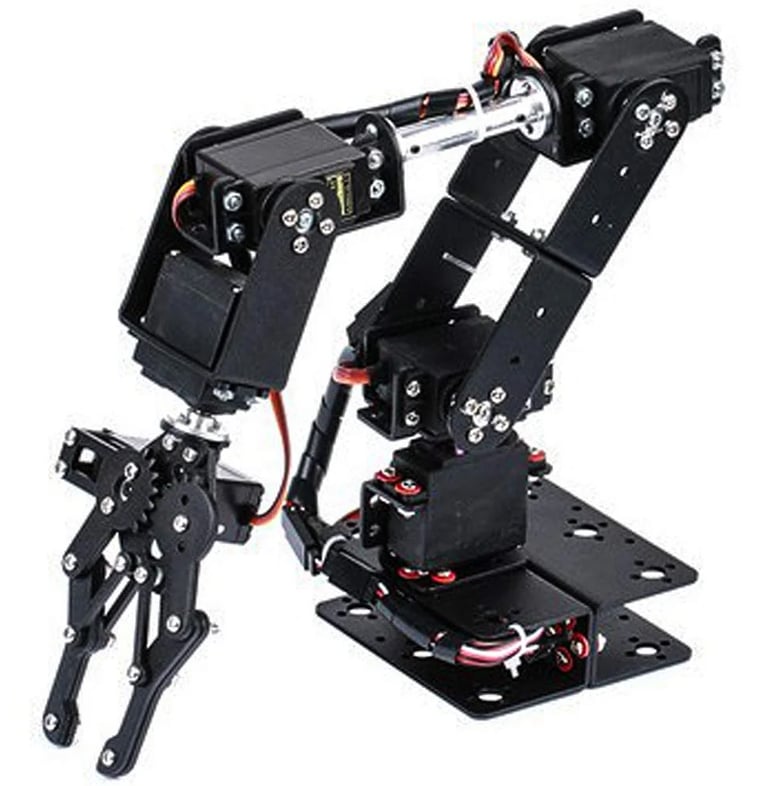
• Mechanical & Industrial Design: Master CAD and SolidWorks to design physical robotic parts and chassis.
• Electronics & Circuitry: Learn the "nervous system" of robots through Ohm’s Law and practical power systems.
• Microcontrollers & Automation: Program Arduino using C/C++ to build smart home projects and automation systems.
• Hardware Communication: Understand how components talk using protocols like SPI, UART, and I2C.
• Subsystem Fundamentals: Explore the history of robotics and the core mechanics of actuators and sensors.
• IoT Integration: Connect your robots to the cloud using advanced Smart Home IoT frameworks.
Generative Ai Course
Curriculum Breakdown
• Mechanical & Industrial Design: Master CAD and SolidWorks to design physical robotic parts and chassis.
• Electronics & Circuitry: Learn the "nervous system" of robots through Ohm’s Law and practical power systems.
• Microcontrollers & Automation: Program Arduino using C/C++ to build smart home projects and automation systems.
• Hardware Communication: Understand how components talk using protocols like SPI, UART, and I2C.
• Subsystem Fundamentals: Explore the history of robotics and the core mechanics of actuators and sensors.
• IoT Integration: Connect your robots to the cloud using advanced Smart Home IoT frameworks.
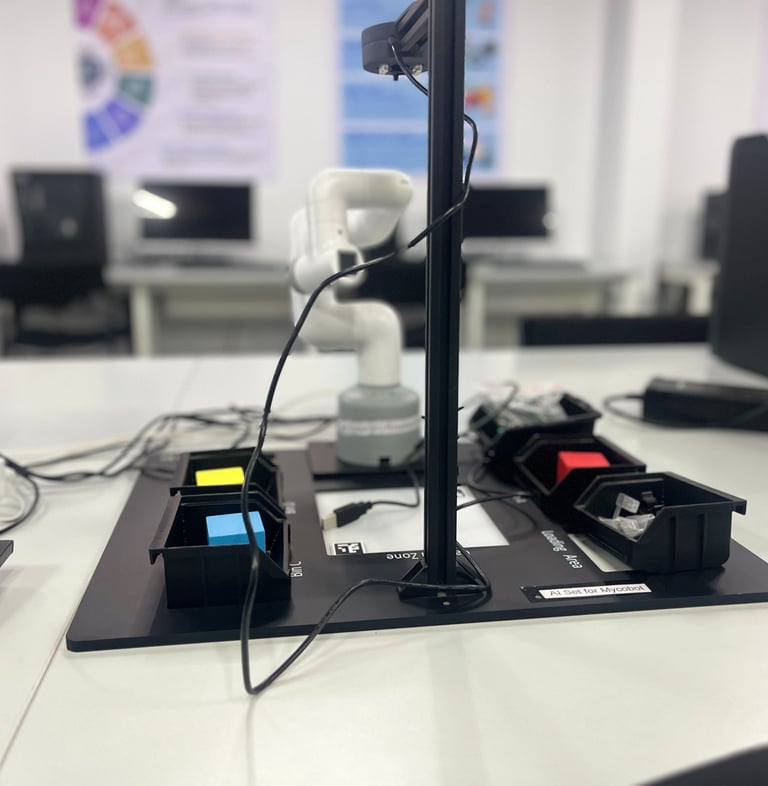
AI For Managers
Curriculum Breakdown
AI acts as a force multiplier for modern managers by shifting their focus from repetitive coordination to strategic leadership. By automating routine tasks such as performance tracking, resource allocation, and meeting documentation, AI reduces the "administrative tax" that often leads to burnout. Beyond efficiency, it serves as an advanced analytical partner, parsing vast amounts of team data to predict project bottlenecks or identify shifts in employee engagement before they become systemic issues. Ultimately, integrating AI allows managers to spend more time on the human elements of the job—mentoring, creative problem-solving, and building a cohesive culture—while relying on data-driven insights to make more objective and impactful decisions.
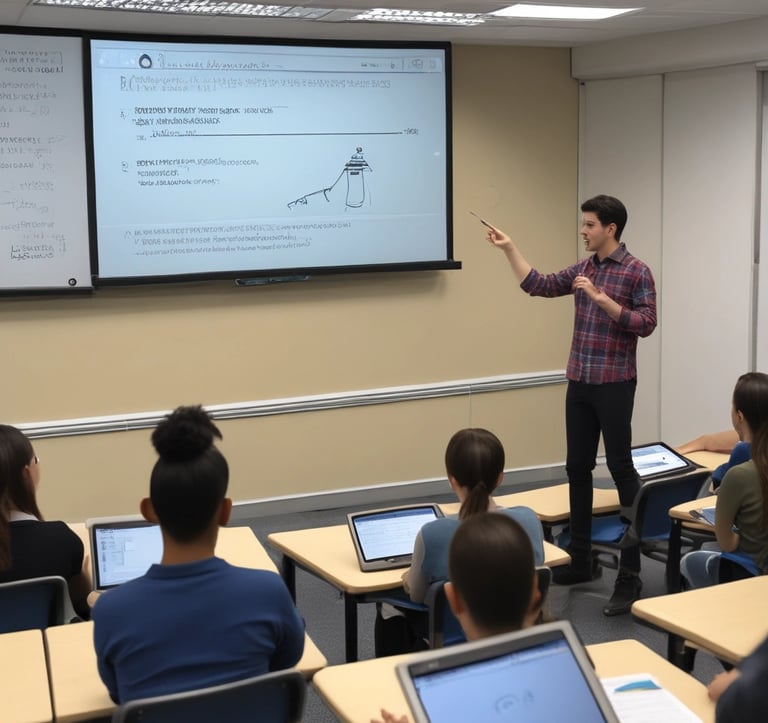
Junior AI
Curriculum Breakdown
• Mechanical & Industrial Design: Master CAD and SolidWorks to design physical robotic parts and chassis.
• Electronics & Circuitry: Learn the "nervous system" of robots through Ohm’s Law and practical power systems.
• Microcontrollers & Automation: Program Arduino using C/C++ to build smart home projects and automation systems.
• Hardware Communication: Understand how components talk using protocols like SPI, UART, and I2C.
• Subsystem Fundamentals: Explore the history of robotics and the core mechanics of actuators and sensors.
• IoT Integration: Connect your robots to the cloud using advanced Smart Home IoT frameworks.


Junior Robotics
Curriculum Breakdown
Junior Robotics is an exciting field that blends Mechanical Engineering, Electronics, and Computer Programming into one hands-on experience. For students up to 10th grade, it is less about complex math and more about "learning by doing"—understanding how to give a machine "senses" through sensors, "muscles" through motors, and a "brain" through code. At this level, you move beyond just playing with toys to building functional systems like line-following bots, obstacle-avoiding cars, or even automated smart-home models. By working with popular platforms like Arduino, Micro:bit, or LEGO Mindstorms, you learn how to break down big, real-world problems into small, logical steps. This process doesn't just teach you how to build a robot; it trains your mind to think like an inventor, a coder, and a problem-solver, preparing you for a future where technology and humans work side-by-side.
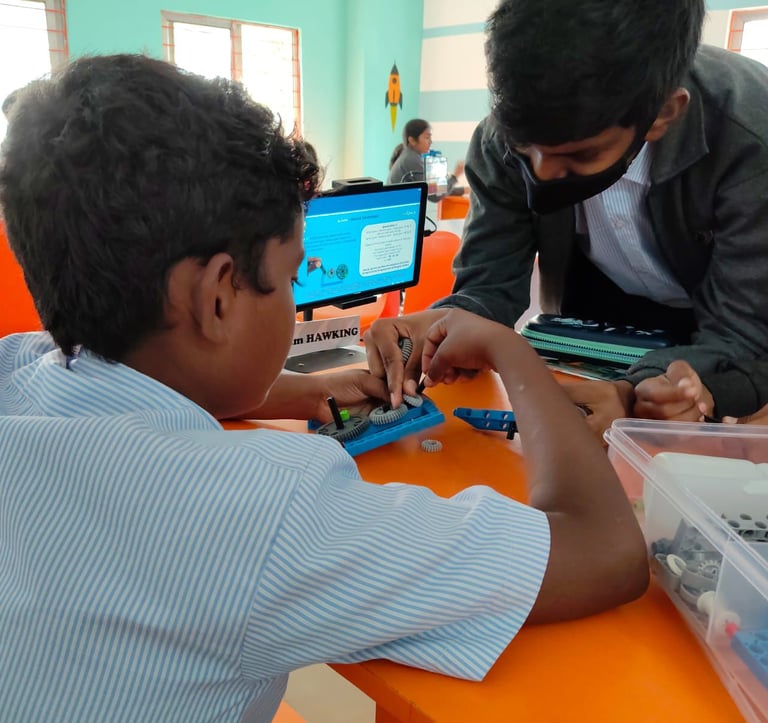
Building Future Innovators
Dive into robotics with hands-on projects—from programming to creating robotic arms and vehicles.
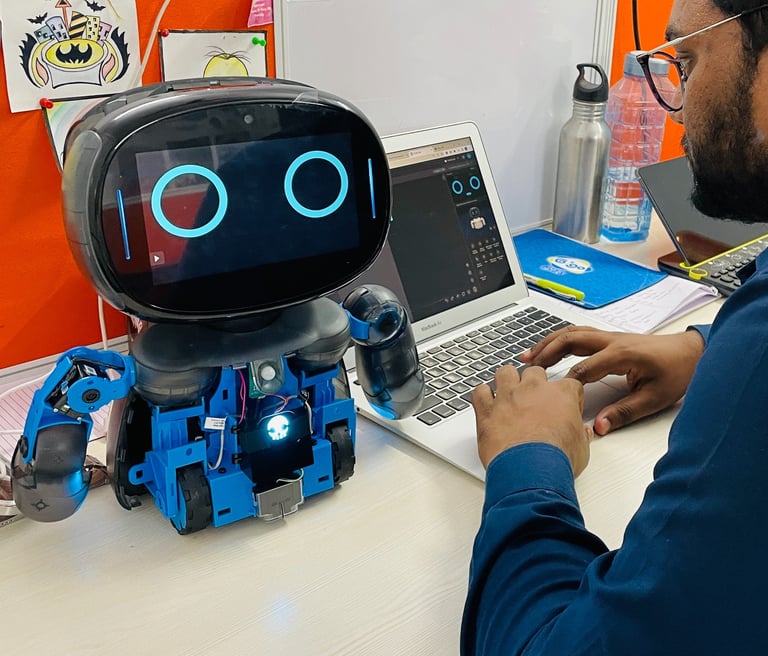
150+
15
Hands-on learning
Project-based
FAQs
Who can enroll?
Anyone passionate about AI and robotics with basic programming skills.
What languages are taught?
We cover C, C++, Python, and advanced object-oriented programming.
What hands-on experience is included?
Students build robotic arms and vehicles using CAD, 3D printing, and laser cutting.
Is there an internship?
Yes, a project-based internship is part of the course.
Do you teach vision programming?
Yes, OpenCV and sensor integration are included.
What makes this course different?
It bridges software and hardware with real projects and ROS mastery.